MemoGenesis vs. Synaptigen: Which Brain Supplement Has the Better Label?
Quick answer
MemoGenesis (3.7/5) is the more logical choice for a mental lift: its 50 mg of caffeine and B vitamins can do something you notice, even though the memory herbs are at token doses. Synaptigen (2.8/5) is really a probiotic and fiber chewable, and nothing on its label has good evidence for memory or focus. Neither is a treatment for memory loss.
PureReviewed is reader-supported. If you buy through our links, we may earn a commission at no extra cost to you. Learn more.
The Two Products at a Glance
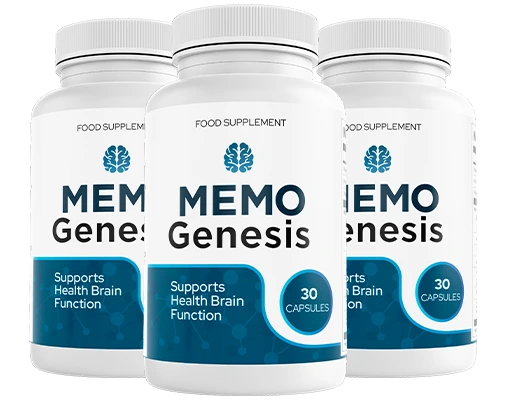
MemoGenesis
- Every dose on the label
- 50 mg caffeine plus B vitamins
- Memory herbs far below studied doses

Synaptigen
- Inulin and four probiotic strains
- No stimulants
- No good evidence for memory or focus
Side-by-Side Comparison
| MemoGenesis | Synaptigen | |
|---|---|---|
| Format | 1 capsule a day with food | 1–2 chewable tablets a day |
| Formula type | Stimulants, B vitamins, memory herbs | Prebiotic fiber and probiotics |
| Doses on the label | All listed | Strains grouped in a 20 mg blend |
| Caffeine | Yes, 50 mg (plus theacrine and theobromine) | None |
| Ingredient you are likely to feel | Caffeine | None expected for the brain |
| Price per day | ≈ $1.63–2.63 | ≈ $1.63–2.63 at 1 tablet |
| Guarantee | 60 days, one-time payment | 60 days, one-time payment |
| Our score | 3.7 / 5 | 2.8 / 5 |
Prices from the official order pages (MemoGenesis on October 9, Synaptigen on October 20, 2026), before shipping. Prices can change, so confirm the final total at checkout.
Dose by Dose
These two formulas do not share a single ingredient, so instead of matching doses we compare each one with what research has used.
| Ingredient | MemoGenesis | Synaptigen | Typical study amount |
|---|---|---|---|
| Caffeine (green coffee) | 50 mg | — | 40–100 mg for alertness |
| B1, B6, B12 | Above daily needs | — | Helps only if intake is low |
| Bacopa monnieri | 10 mg | — | about 300 mg extract for 8–12 weeks |
| Huperzine A | ≈10 mcg | — | a few hundred mcg |
| Rhodiola / L-tyrosine | 5 mg / 50 mg | — | 200–600 mg / gram doses |
| Inulin (prebiotic fiber) | — | 100 mg | 3–10 g for gut effects |
| Probiotic blend (L. paracasei, L. reuteri, B. lactis) | — | 20 mg · 3.5 billion CFU | 1–10 billion CFU, studied for gut or mouth, not memory |
| Streptococcus salivarius | — | 20 mg | studied for mouth and throat health |
Study amounts are general ranges from published research on each ingredient on its own, not on either product.
How They Scored
The overall score is the simple average of the five categories. How we review.
The Labels, Side by Side
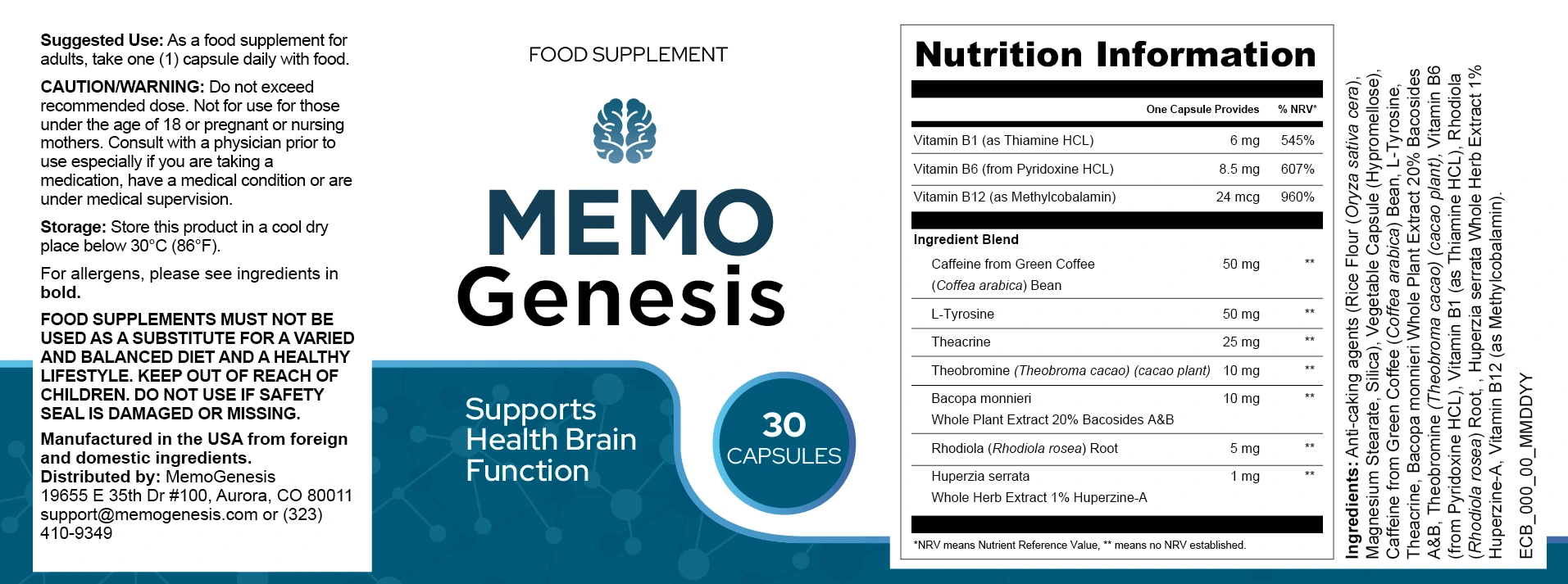
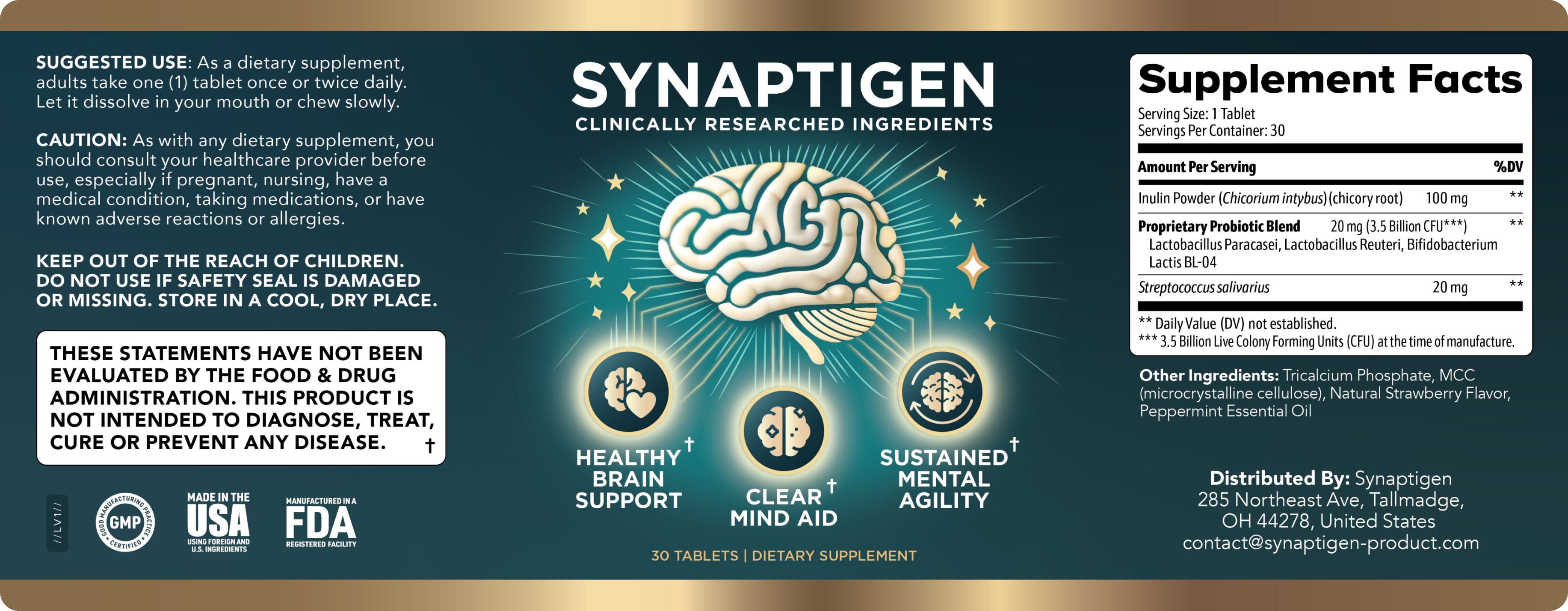
About the Brain Claims
Both products promise sharper memory and focus. MemoGenesis leans on bacopa, rhodiola and huperzine A, which do have some research, but at amounts far below the studies. Synaptigen leans on the gut-brain connection, a real but early field; the strains it uses have been studied mainly for the gut and mouth, not for thinking or memory.
🧠 Memory getting worse
See a doctor. Thyroid problems, low B12, sleep apnea, hearing loss and some medicines are common and treatable causes.
☕ Afternoon slumps
A cup of coffee or tea gives a similar caffeine dose to MemoGenesis for much less money.
😴 Poor focus
Sleep, physical activity and fewer distractions have stronger evidence than any supplement here.
Which One Fits You?
Consider MemoGenesis if you…
Want a convenient, moderate caffeine capsule with B vitamins and handle caffeine well.
Consider Synaptigen if you…
Simply want a probiotic chewable and know you are not buying a proven brain formula.
Skip both if you…
Expect a real improvement in memory, or have memory changes that have not been checked by a doctor.
Talk to your doctor first if you…
Take any medication (huperzine A can interact), are sensitive to caffeine, have a weakened immune system, or are pregnant or nursing.
Safety Notes
Frequently Asked Questions
What is the difference between MemoGenesis and Synaptigen?
MemoGenesis is a once-a-day capsule with 50 mg of caffeine, B vitamins and small amounts of memory herbs such as bacopa and huperzine A. Synaptigen is a chewable tablet with inulin and probiotic bacteria (Lactobacillus paracasei, L. reuteri, Bifidobacterium lactis and Streptococcus salivarius). They are both sold for brain health, but the formulas have almost nothing in common.
Which one scored higher?
MemoGenesis scored 3.7 out of 5 and Synaptigen 2.8 out of 5 in our reviews. MemoGenesis at least contains ingredients studied for alertness (caffeine) and normal nerve function (B vitamins). Synaptigen’s probiotic strains have no good human evidence for memory or focus.
Will either one improve my memory?
Probably not in a meaningful way. The memory herbs in MemoGenesis are at a small fraction of the doses used in studies, and the probiotics in Synaptigen have not been shown to improve memory. Memory changes that are getting worse should be checked by a doctor.
Can I take MemoGenesis and Synaptigen together?
They do not share ingredients, but there is little reason to combine them. If you take medication, check with your doctor or pharmacist first, especially because of the huperzine A in MemoGenesis.
How much do they cost?
Both use the same price structure on their official order pages: 2 bottles for $158 ($79 each), 3 for $207 ($69 each) or 6 for $294 ($49 each). At one serving a day that is about $1.63 to $2.63 per day. Synaptigen’s label allows two tablets a day, which would double the cost.
Do they have a money-back guarantee?
Yes. Both offer a 60-day money-back guarantee and are one-time payments with no subscription.
Our Verdict
MemoGenesis comes out ahead, mostly because its caffeine and B vitamins give it something real to offer, even if the memory herbs are underdosed. Synaptigen’s label is short and readable, but it is a probiotic product wearing a brain-health label. Neither is likely to improve memory in a meaningful way. If you try one, use the 60-day guarantee to judge it honestly, and talk to your doctor if memory is a real concern.
This comparison is for general information only and is not medical advice. Statements about dietary supplements have not been evaluated by the FDA, and these products are not intended to diagnose, treat, cure or prevent any disease. Individual results may vary. Talk to a healthcare professional before starting any supplement. See our Medical Disclaimer.